Jun 2025
Project Kickoff
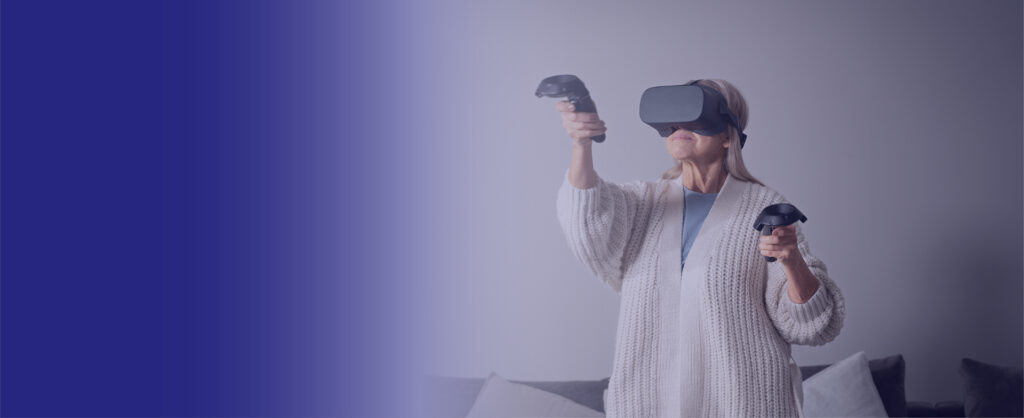
SPARCS enables multi-patient, home-based therapy using immersive VR and explainable AI.
SPARCS stands for Science-based, Personalized Aphasia Rehabilitation Continuum after Stroke.
It brings together neuroscience, clinical expertise, and scalable digital technology to revolutionize the way aphasia is treated.
Aphasia affects around 20% of stroke survivors. It impairs the ability to find and express words, despite intact understanding and motor speech.
Traditional therapies are often costly, isolated, and hard to access—SPARCS changes that.
People live with effects of stroke
of them
suffer from aphasia
treatments are costly, passive, and difficult to scale
offers an interactive, active, and science-grounded alternative

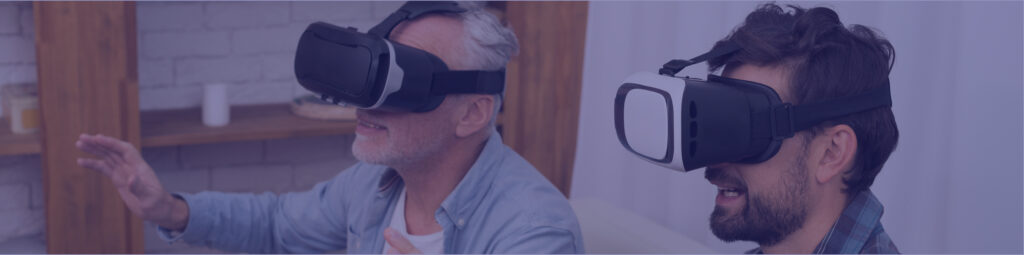
Patients collaborate remotely in real time via VR headsets in engaging language tasks.

Perzonalized models adapt theraphy intensity and predict outcomes, supporting clinical decisions.

Clinicians can monitor, analyze, and adjust theraphy remotely through a secure web

Inovative SME in neurorehabilitation, VR and telerehab solutions

Experts in Explainable AI & Bayesian modeling for medical applications

Clinical validation, ethics, and co-development with leading neurorehab teams
Project Kickoff
User requirements & architecture defined
Multiplayer VR prototype & initial integration
Clinical protocol, dashboard & pilot ready
Final validation & commercial readiness
Improves therapy outcomes and accessibility

Reduces health system burden

Aligns with SAP-E, WHO, and SDGs
Builds clinical trust via transparent AI
Promotes equity through scalable home-based care

Calle de Venezuela 35, Barcelona, Spain

info@eodynesystems.com

www.eodyne.com
This project (Eurostars‑3 project E! 7829 — “SPARCS”) has received funding from the Eurostars‑3 programme (a Eureka initiative within the European Partnership on Innovative SMEs), co‑funded by the European Union’s Horizon Europe research and innovation programme.

Copyright © SPARCS.eu all rights reserved